אירוע
שיח גלריה בתערוכה למטה בגלריה מאירוב
כמה זמן: 12:00-13:00
לפרטים נוספים
.The exhibition will be closed on 12.5, for technical reasons
Artists: Maia Duniec, Itamar Stamler, Hagai Farago, Yonatan Auron Ophir, Lia Tomashof, Hagar Cygler, Yaniv Drey, Eili Levy, Shachar Freddy Kislev, Maayan Elyakim
Curator: Udi Edelman
In Hebrew, the same word can denote both the thing itself and what lies within it. Etzem means not only the object that stands before us, but also an inner essence – the hidden selfhood of things. The distance between these two meanings, a distance that other languages separate into the distinction between “object” and “essence,” is the space in which this exhibition operates.
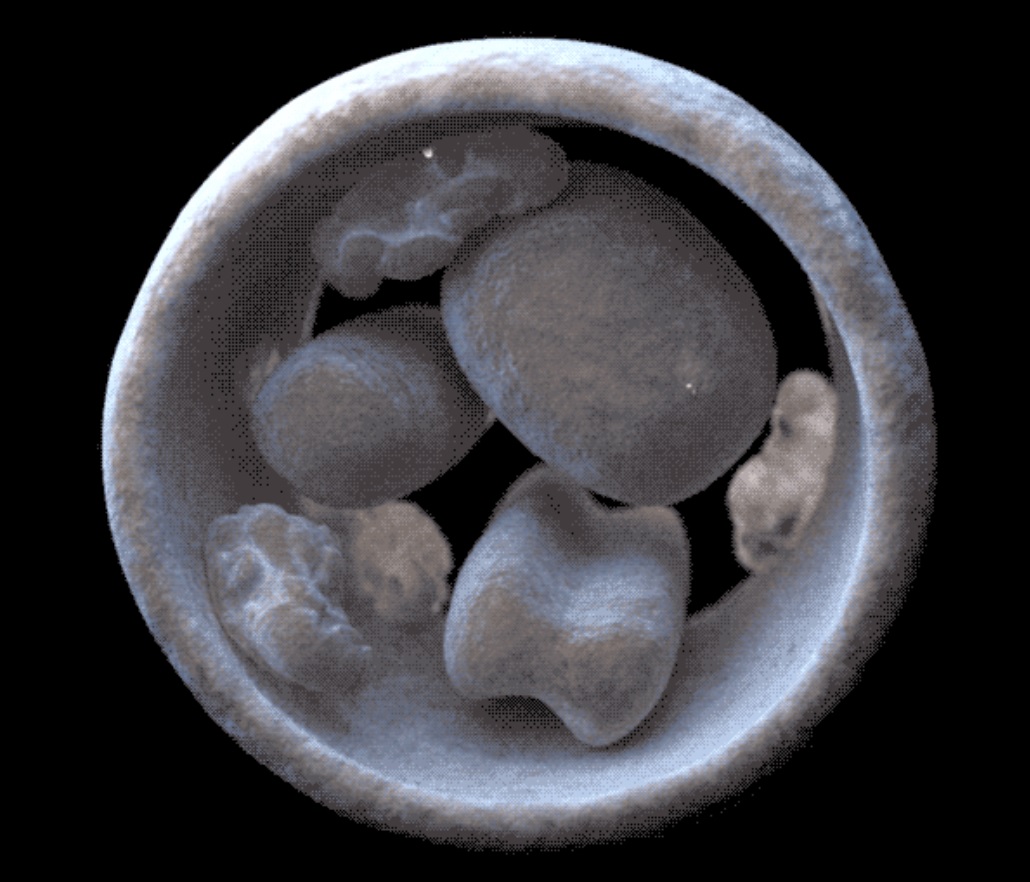
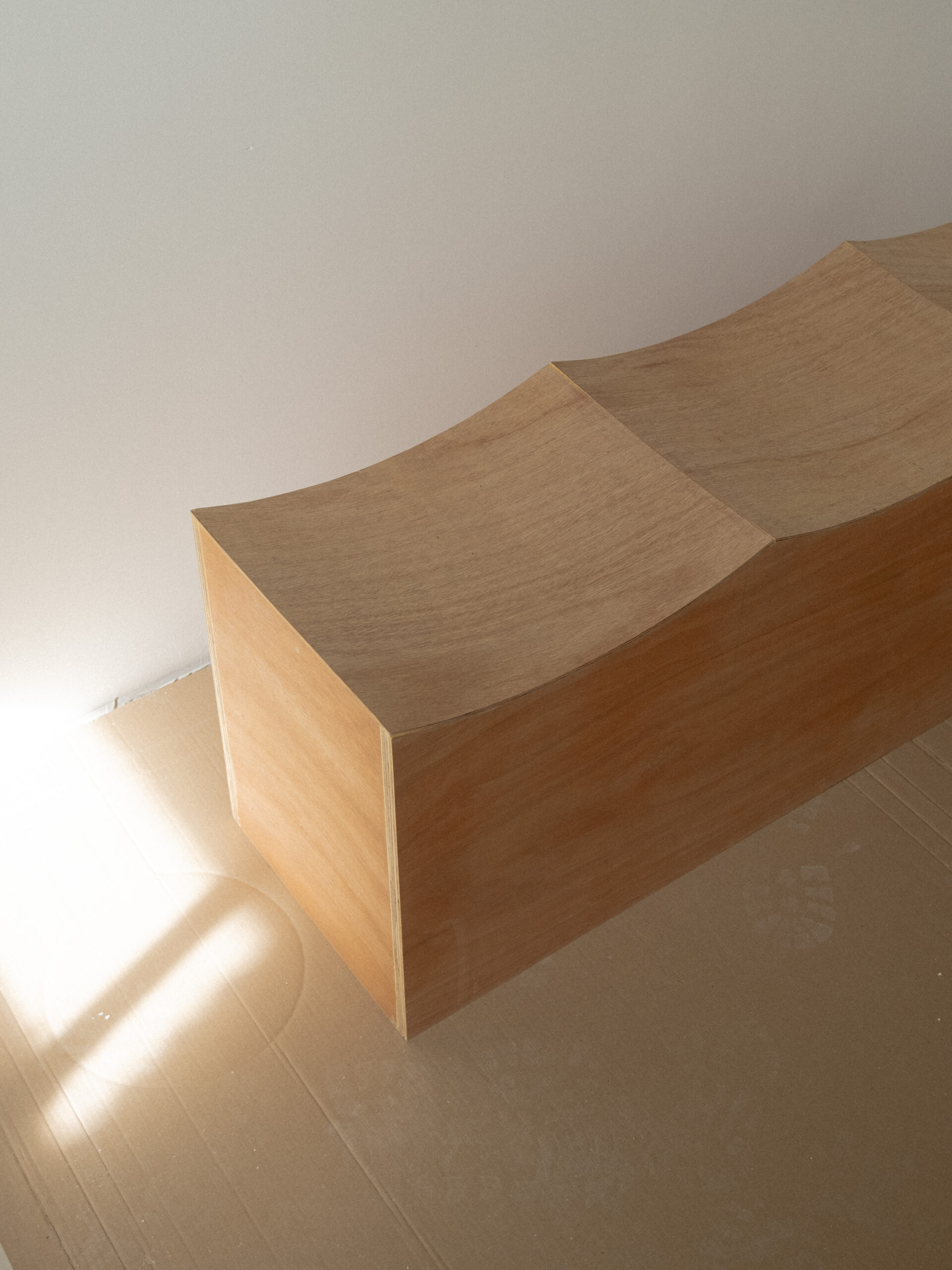
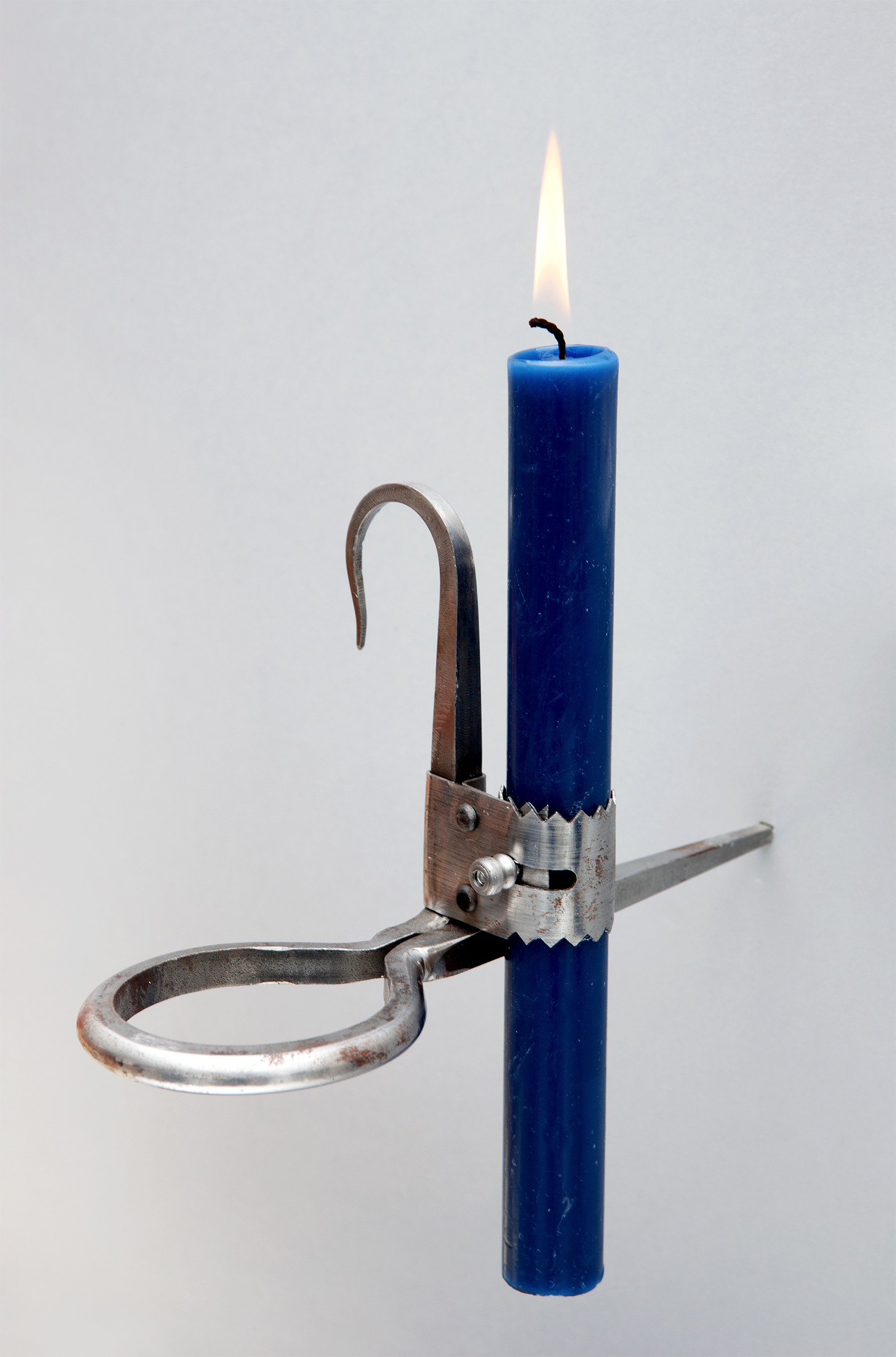
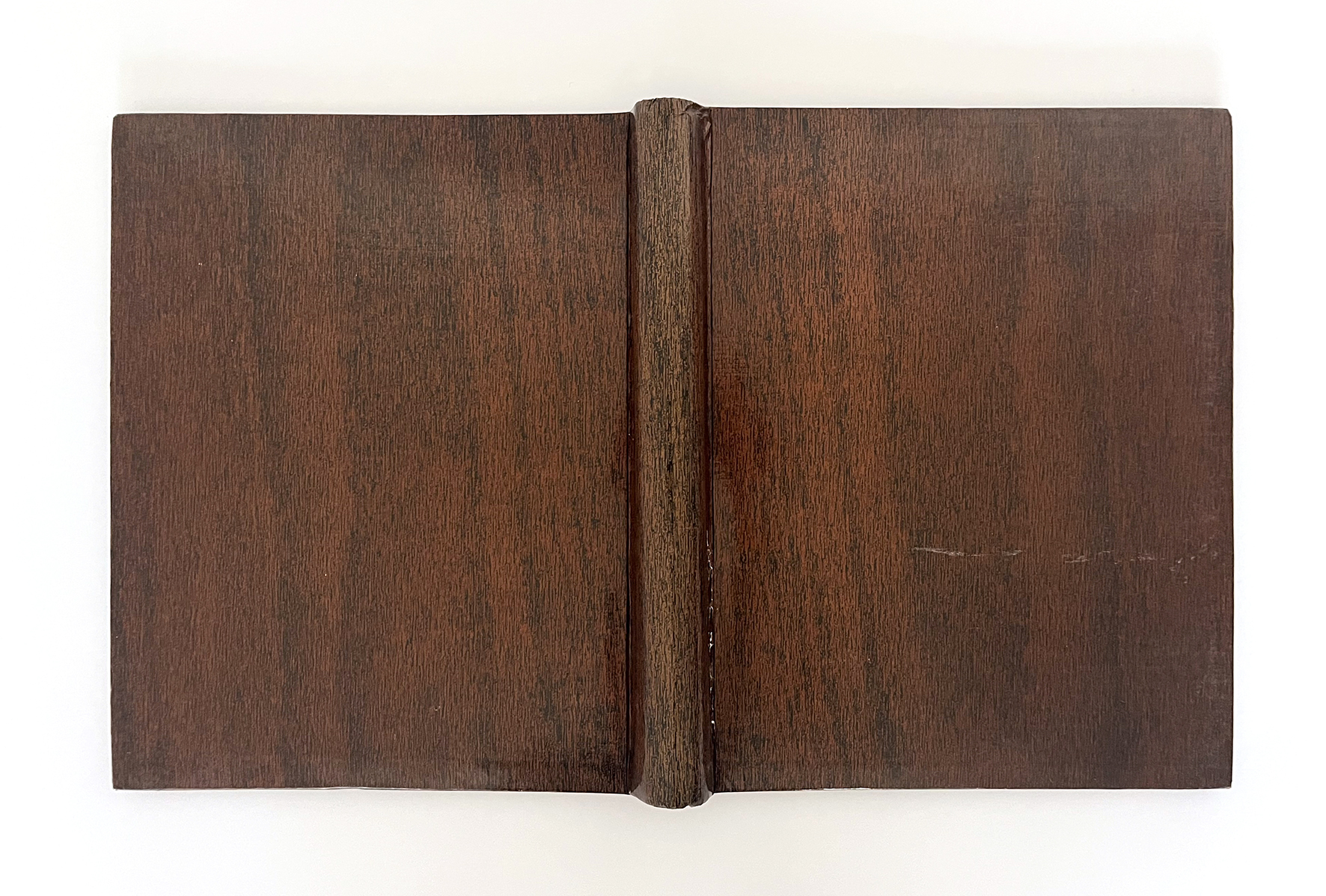
The works examine objects of various kinds: impossible devices and purposeless machines, ritualistic and enchanted artifacts, and those that act against our expectations – objects that unsettle familiar logics of use and open up a field of alternative possibilities. Between the familiar and the wondrous, the functional and the absurd, a fundamental question emerges: what is an object, really, and what happens when it ceases to fulfill its imagined role?
Throughout history, objects have served as mediators between human beings and the world. They extend the boundaries of the body, enable action in space, and bridge the subject and its environment. From the moment early humans lifted a stone or a stick, an inseparable bond was formed: the object became an additional limb of the human, an extension of its desires, thus turning the human into what might be called a Proto-Cyborg. The Proto-Cyborg is not an early stage on the way to the modern cyborg image and contemporary reality, but rather the fundamental form of the human – a primordial condition, not a product of advanced technology. In this sense, the human has never been alone.
The centrality of objects in human existence imbues them with humanity and culture. They become carriers of memory, intention, and meaning, inviting an infinite range of relationships with and through them. Yet objects are not merely passive tools in human hands – they act upon us and through us, shaping our perceptions and dictating patterns of behavior. An object can compel a certain movement, evoke memory, or generate a sense of sanctity and transcendence in those who encounter it. In this sense, the object is not merely an object: it is an active partner in the production of meaning, a quiet agent within the space of human existence.
In order to extract meaning from our multifaceted relations with objects, the exhibition sharpens attention and touch toward singular forms of things. It asks: how does a one-time object come into being – one that is irreducible, not another item in a series of reproductions but something with its own presence? What is the role of art in relation to such singularity? Does the artist reveal the singularity inherent in the material, or impose it upon it? And is it possible to create something unique ex nihilo, or is every act of creation always a reconstruction, a translation, a discovery of something that already existed? These questions are not merely aesthetic – they touch on the very conditions of possibility of art itself.
From the singular, the exhibition’s trajectory returns to the collective. The works invite us to examine the role of objects in shaping our perception of ourselves and others, and the ways in which they facilitate, obstruct, or transform communication between individuals and groups. We anthropomorphize objects in order to draw them closer, invest them with spiritual or religious meaning, and through them produce that which holds a group together – myths, rituals, and symbols of belonging. In this sense, the object is not only evidence of culture but its engine: it produces the community no less than the community produces (or discovers) it. From the stone lifted by early humans to the objects that surround us today, a single arc of mutual participation unfolds – things we make, and things that make us.
The exhibition was developed within the “Material Research” program, held in recent months at the Max Lab for Crafts and Machines, which operates within the CDA. The program functioned as an extended residency, combining intensive workshop practice with group learning sessions led by Eili Levy and Maayan Elyakim. Within this framework, the object was explored in its various aspects – as a three-dimensional image, as a repository of memory, and as testimony to process: an object that bears within it the marks of production, erosion, transformation, and intervention. As participants came to understand, the object is not a final product but a living document – an archive of touch, time, and intention. In this sense, the exhibition is not only a result of the program, but also the material realization of its claim.